
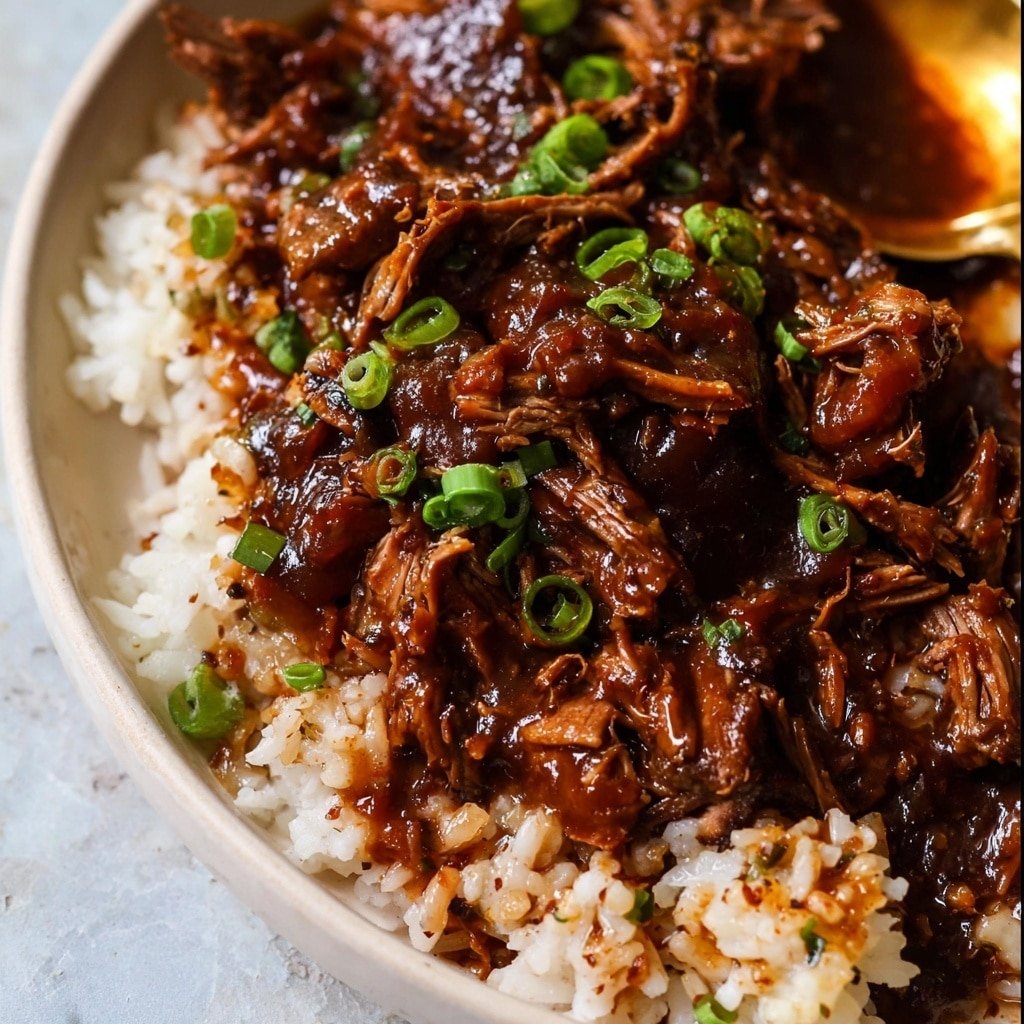
I still remember the first time I made this Pork Adobo Recipe for my family—it was a chilly weekend, and the cozy aroma of garlic and soy simmering slowly filled the kitchen. Watching the pork turn tender and the sauce thicken into a glossy glaze made me realize why this dish holds such a special place in Filipino hearts. It’s the kind of meal that feels like a warm hug, perfect for sharing over good conversation and laughter. Ever since then, it’s been a go-to whenever I want something comforting yet packed with bold, balanced flavors.
Why This Recipe Shines
- Flavor Harmony: The perfect balance of tangy vinegar, savory soy, and a hint of sweetness creates a symphony in every bite.
- Easy Assembly: Simple ingredients with straightforward steps make this accessible to cooks of all levels.
- Texture Play: Tender pork contrasts delightfully with caramelized pineapple for a fresh twist.
- Showstopper Finish: The glossy, reduced sauce clings beautifully, making it irresistibly appetizing.
What makes this Pork Adobo Recipe stand out is its deep, rich aroma and the melt-in-your-mouth texture of the pork after slow simmering. The slight acidic tang from vinegar lifts the dish, while the brown sugar tethers everything with a subtle caramel sweetness. If you add those caramelized pineapple bites, you get bursts of freshness that surprise your palate—it’s a dynamic that hooks everyone, whether it’s your first try or a nostalgic revisit.
Even if you’re new to Filipino cooking or braising meat, don’t be intimidated. I’ll walk you through the steps, share tips to avoid common pitfalls, and help you get that perfect tender meat with a glaze that’s not too thick or watery. So grab your pot and let’s dive into making this soul-warming Pork Adobo Recipe together.
Ingredients You’ll Be Working With
Before you start, remember measuring ingredients accurately helps especially with balancing the vinegar and soy sauce. Don’t worry—exact amounts and a handy printable recipe card are at the bottom for your reference.
- Pork shoulder: Choose cuts with ribbons of fat for tenderness; pork belly works too if you prefer a richer texture.
- Vegetable oil: Any neutral oil works; used for searing and caramelizing.
- Onion: Adds sweetness and complexity; cut into wedges for even cooking.
- Garlic: Finely sliced to maximize aroma and flavor infusion.
- Water: The braising liquid base to cook the pork until tender.
- Light soy sauce: For salty umami flavor; avoid substituting with dark soy solely.
- Dark soy sauce: Adds color and depth; used sparingly.
- Rice vinegar: Provides tang; regular white vinegar can be an alternative.
- Brown sugar: Balances acidity with caramel sweetness.
- Black peppercorns: Optional, for a mild warmth; can omit or swap with ground pepper.
- Bay leaves: Infuse subtle herbal notes; fresh or dried works.
- Pineapple: Optional for a fresh, caramelized contrast—either canned in juice or fresh.
- Green onion: Garnish for color and mild bite.
- Jasmine rice: Perfect starch to soak up that luscious sauce.
If you don’t have rice vinegar or specific cuts of pork, feel free to swap with similar pantry staples or cuts, but try to keep the core flavor balance intact for the best result.
Chef’s Note
You’ll find the complete list of ingredients with exact measurements in the printable recipe card at the bottom of this post.
Tools You’ll Need
- Large heavy-based pot or Dutch oven: Essential for even heat and browning pork properly.
- Sharp knife: For cutting pork and preparing aromatics precisely.
- Slotted spoon: To remove pork without losing sauce.
- Non-stick skillet: Handy for caramelizing pineapple pieces without sticking.
- Tongs or spatula: Useful for turning pork cubes during searing.
- Measuring cups and spoons: Accuracy helps balance flavors.
How to Make Pork Adobo Recipe
Let’s get started! This Pork Adobo Recipe comes together with some simple stages: searing, sautéing aromatics, simmering low and slow, optional pineapple caramelizing, and finishing with a flavorful sauce reduction. Ready?
- Sear the pork: Heat the vegetable oil in your pot over high heat until shimmering. Add half the pork cubes and sear until golden all over—about 4 minutes. Remove to a bowl and repeat with the remaining pork. This step locks in flavor and adds a gorgeous crust.
- Sauté onion and garlic: Lower heat to medium. Add onion wedges and cook for 2 minutes until softened, then toss in garlic and cook another minute until fragrant. This builds the base flavor for the sauce.
- Add braising liquid and pork: Pour in water, light and dark soy sauces, vinegar, brown sugar, peppercorns, and bay leaves. Stir to combine, then nestle pork pieces back into the pot along with any juices. This mix will slowly transform into that iconic adobo sauce.
- Simmer gently: Bring to a boil, then partially cover the pot with the lid ajar to allow steam to escape. Reduce heat to low or medium-low and let it simmer with small bubbles for 1 ½ to 2 hours. The pork should become fall-apart tender—feel free to test a piece with a fork.
- Caramelize pineapple (optional): While the pork simmers, heat 2 tsp vegetable oil in a non-stick pan over medium heat. Arrange pineapple pieces in a single layer and cook around 4 minutes per side until golden and caramelized. Set aside for adding later.
- Remove pork and reduce sauce: Use a slotted spoon to transfer pork to a plate, discard bay leaves, and leave onions if you like. Turn heat up to high and boil the sauce until it thickens and reduces to about 1 ½ cups, about 7–10 minutes. It should be syrupy and coat a spoon nicely.
- Coat pork with sauce: Lower heat, return pork and caramelized pineapple (if using) to the pot. Stir gently to coat the meat and warm through again. This final step infuses the pork with concentrated flavor and shine.
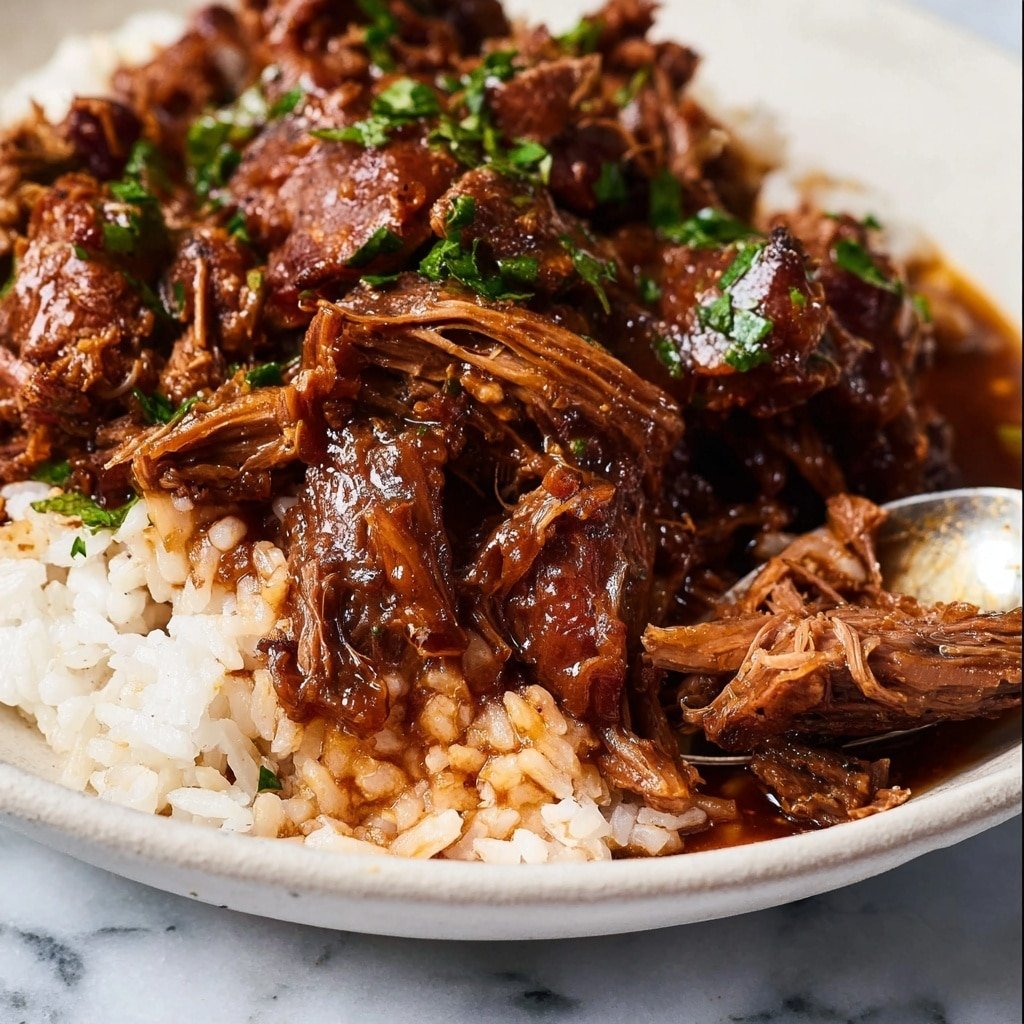
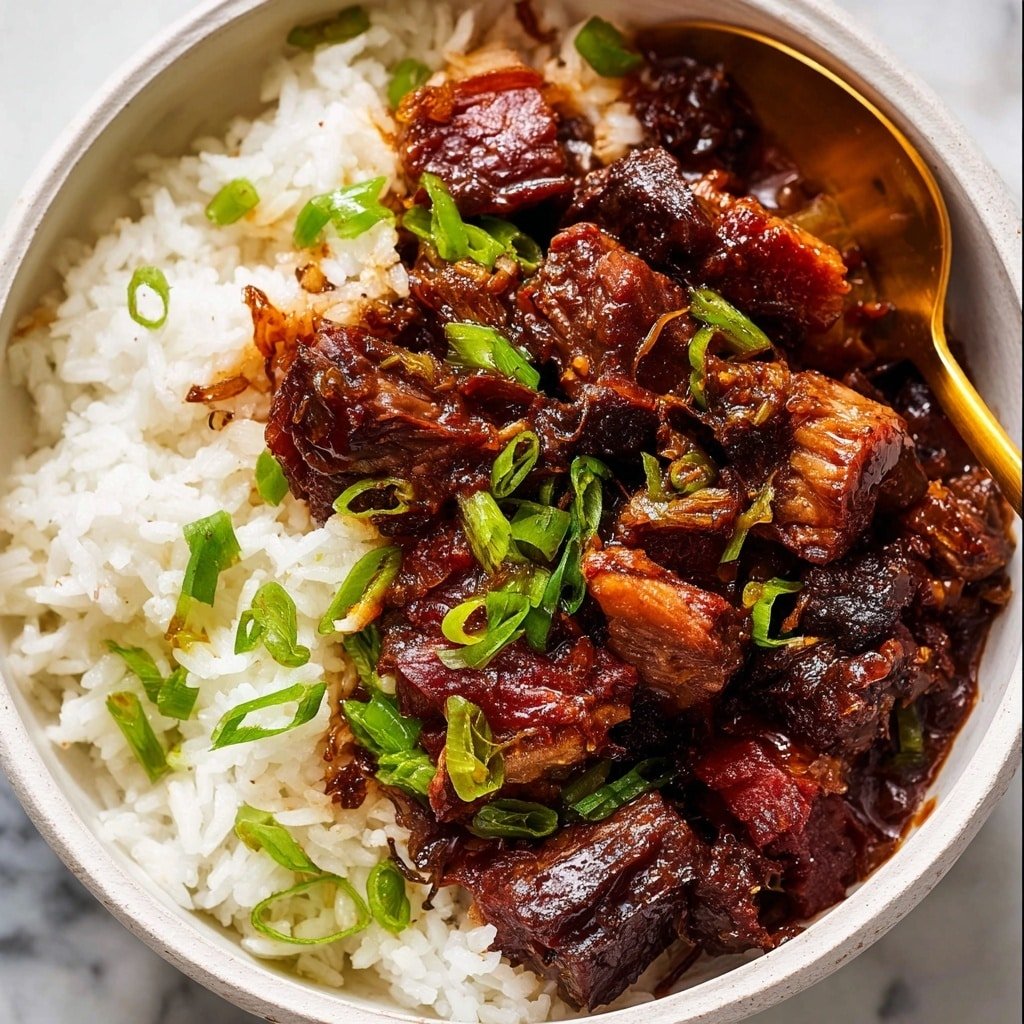
- Serve hot: Spoon generous portions over steamed jasmine rice and garnish with finely sliced green onions for a fresh lift.
Kitchen Wisdom
- Tip 1: Use a heavy-bottomed pot to avoid burning and ensure even cooking.
- Tip 2: Maintain a gentle simmer; a rolling boil toughens the pork.
- Tip 3: Don’t skip caramelizing pineapple if you want that sweet-savory contrast—it really elevates the dish.
- Tip 4: Reduce sauce last to control thickness; over-reduction can make it overly salty.
How to Serve
Flavor Boosters
For a flavor punch, sprinkle a touch of freshly cracked black pepper or drizzle toasted sesame oil on top. Adding sliced fresh chili or a pinch of chili flakes can also bring out a pleasant heat that works beautifully with the tangy-sweet balance of this Pork Adobo Recipe.
Perfect Pairings
This pork adobo shines alongside garlic fried rice or steamed jasmine rice to soak up the sauce. Light and crisp sides like sautéed greens or pickled vegetables cut through the richness. For drinks, try a crisp lager or a citrusy white wine to refresh the palate.
Presentation Touches
Consider serving pork adobo family-style in a large bowl garnished with green onions and pineapple for color contrast. For gatherings, portion into individual ramekins for a fiesta-ready look. This recipe also makes an excellent gift—jar the cooled pork and sauce, and include cooking instructions for warming.
Variations & Easy Swaps
- Swap pork shoulder for chicken thighs for a lighter version while keeping classic flavors.
- Use coconut sugar instead of brown sugar for a deeper, more caramel-like sweetness.
- Make it gluten-free by choosing tamari or gluten-free soy sauce.
- For a smoky twist, add a splash of liquid smoke or char the pork on the grill before braising.
- Omit pineapple for a purely traditional version or replace it with green mango slices for tartness.
- Add hard-boiled eggs during the last 15 minutes of simmering for a classic Filipino touch.
Make-Ahead, Storage & Reheating
- Make ahead: Pork Adobo Recipe tastes even better the next day; store covered in the fridge overnight.
- Storage: Keep leftovers in an airtight container in the refrigerator for up to 4 days or freeze for up to 3 months.
- Reheat gently on the stovetop over low heat; add a splash of water if sauce thickens too much.
- Avoid microwaving for long as it can dry out the pork; stovetop reheating preserves texture best.
FAQs
- Can I use a slow cooker for Pork Adobo Recipe? Slow cookers aren’t ideal because you miss the crucial searing and caramelization steps, which add depth and texture.
- Is pork belly better than pork shoulder here? Shoulder is preferred for balance of meat and fat; belly is fattier and richer but still delicious.
- Can I make this without vinegar? Vinegar is key to the classic adobo tang. Omitting it will change the flavor significantly, so I don’t recommend skipping it.
- How can I tell when the pork is done? It should be fork-tender and nearly falling apart; the sauce should be thickened and coat the meat.
- What rice pairs best with this recipe? Jasmine rice is traditional and fluffy, but garlic rice is a tasty upgrade that complements the bold flavors.
Pork Adobo Recipe

Pork Adobo is a beloved Filipino classic featuring tender pork shoulder cubes slowly braised in a rich, savory soy-garlic sauce balanced with vinegar and brown sugar. This dish boasts a thin, intensely flavorful sauce reduced to a glaze, optionally accented by caramelized pineapple for a fresh, sweet contrast. Served over steaming jasmine rice, it’s a comforting meal showcasing the depth and soul of Filipino cooking.
- Prep Time: 10 minutes
- Cook Time: 2 hours
- Total Time: 2 hours 10 minutes
- Yield: 4 to 5 servings
- Category: Main
- Method: Stovetop
- Cuisine: Filipino
Ingredients
Meat
- 1 kg/2 lb pork shoulder (ribboned with fat, skinless), cut into 6cm/2.5” cubes (or pork belly)
Cooking Ingredients
- 2 tbsp vegetable oil (or any neutral flavored oil)
- 1 large onion, cut in half then 0.8”/1/3” wedges
- 8 cloves garlic, finely sliced
- 3 cups water
- 1/2 cup light soy sauce (substitute regular/all-purpose soy sauce)
- 1 1/2 tsp dark soy sauce
- 1/4 cup rice vinegar (substitute regular white vinegar)
- 3 tbsp tightly packed brown sugar
- 1 1/2 tsp black peppercorns (optional; can omit)
- 5 bay leaves (preferably fresh, dried okay)
Optional Pineapple
- 6 pineapple rings, each cut into 8 pieces (from canned pineapple in juice, not syrup) or 2 cups fresh pineapple pieces
- 2 tsp vegetable oil (or any neutral flavored oil)
Garnish/Serving
- 1 green onion, finely sliced
- 2 batches jasmine rice (or any rice of choice; garlic rice recommended)
Instructions
- Sear Pork: Heat the oil in a large heavy-based pot over high heat. Sear half the pork cubes until golden all over, about 4 minutes, then remove to a bowl. Repeat with remaining pork and add all to the bowl.
- Sauté Onion and Garlic: Reduce heat to medium. Add the onion wedges and cook for 2 minutes until softened. Add garlic and cook for an additional minute until fragrant and softened.
- Add Braising Liquid: Pour in water, light soy sauce, dark soy sauce, rice vinegar, brown sugar, black peppercorns, and bay leaves. Stir well to combine. Add the pork back into the pot along with any juices collected in the bowl.
- Simmer Pork: Bring the mixture to a boil, then partially cover the pot with a lid leaving a 2cm/1” gap. Reduce heat to low/medium-low to maintain a very gentle simmer. Cook for 1 1/2 hours or until pork is fall-apart tender. Keep simmering longer if needed.
- Caramelize Pineapple (Optional): While pork simmers, heat 2 teaspoons of oil in a non-stick pan over medium heat. Arrange pineapple pieces in a single layer and cook about 4 minutes per side until golden caramelized. Remove and set aside.
- Remove Pork and Reduce Sauce: Use a slotted spoon to remove pork pieces from the pot, discarding the bay leaves and leaving any onion behind is fine. Increase heat to high and boil the sauce to reduce it to about 1 1/2 cups (375 ml), forming a thin syrup, about 7-10 minutes.
- Coat Pork with Sauce: Lower heat to low, return the pork and caramelized pineapple pieces along with any accumulated juices into the sauce. Stir gently to coat and warm everything through again.
- Serve: Serve pork adobo hot over steamed jasmine rice, garnished with finely sliced green onions for a fresh pop of color and flavor.
Notes
- Pork cut: Pork shoulder with fat ribbons is preferred for tender, juicy meat; pork belly can be used but is fattier. Shank, knuckle, forequarter chop, or pork neck/scotch also work (reduce simmer time to 1 hour for neck/scotch).
- Soy sauces: Light soy ensures proper saltiness; dark soy adds color and depth. Do not substitute light soy with dark soy due to strong intensity.
- Peppercorns add mild spiciness that mellows during cooking; omit if desired or replace with 1/4 tsp ground black pepper towards the end.
- Pineapple is optional and adds a sweet, refreshing contrast but is not a traditional ingredient.
- Simmer gently with small bubbles for the most tender, juicy results; rapid boiling will toughen the pork.
- Slow cooker not recommended as it misses the caramelization step critical for flavor.
- Leftovers can be stored up to 4 days refrigerated or frozen for 3 months.